

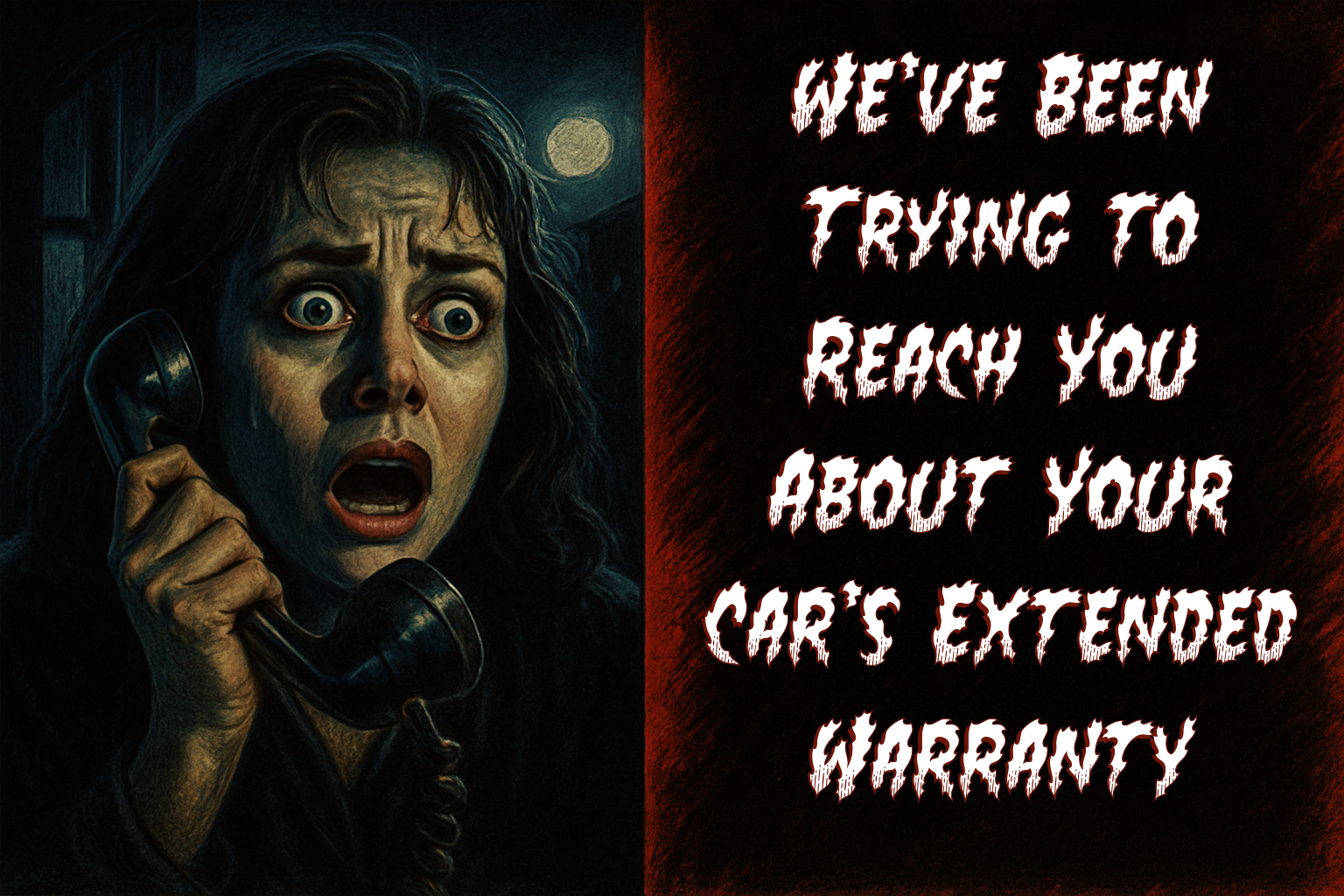
“We’ve Been Trying to Reach You About Your Car’s Extended Warranty…”
If you just rolled your eyes, you are not alone.
Robo-calls, spam emails, scary-looking letters that pretend your warranty is about to expire… they have all made “extended warranty” sound like a scam. But here is the twist: the idea of an extended service contract is not the problem.
The problem is who you buy it from and what you are actually getting.
At Freeport Ford in Freeport, Illinois we offer dealer-backed extended service contracts that are completely different from the junk mail companies. Let us break it down in plain English.
Factory Warranty vs Extended Service Contract: What Is What?
First, the basics.
Factory warranty
- Comes from the manufacturer when the vehicle is new.
- Lasts a set time or mileage, for example 3 years or 36,000 miles bumper-to-bumper, 5 years or 60,000 miles powertrain.
- Included in the price of the vehicle.
- Covers defects in materials or workmanship, not wear-and-tear or accidents.
Extended service contract (vehicle service contract)
- Is an optional, paid contract that kicks in after the factory warranty expires or fills in coverage gaps.
- Helps pay for certain repairs due to mechanical breakdowns, depending on the plan.
- Does not usually cover routine maintenance like oil changes, tires or brakes.
- Can range from basic powertrain coverage to almost “full coverage” style bumper-to-bumper levels.
So when we talk about an “extended warranty” at the dealership, what we are really offering is a vehicle service contract that extends protection beyond the factory warranty.
Why Dealer-Backed Is Safer Than Junk-Mail Offers
Those random companies blasting your phone and mailbox? You do not know them, and they do not know you.
When you buy through a dealership like Freeport Ford:
- The provider usually has an ongoing relationship with the dealer and cares about getting repeat business.
- We sit down with you and go over what is covered, what is not, how long it lasts, and what the deductible is so there are no surprises.
- You know exactly where to come if you have a question or need to file a claim.
Consumer finance and consumer-protection agencies consistently remind people that the value of any extended warranty or service contract depends heavily on who backs it and how easy they are to work with.
In other words:
If you cannot look your warranty provider in the eye at a real dealership service counter, maybe do not give them your money.
A Real-World Example: When an Extended Service Contract Wins
Let us talk numbers.
A customer buys a pre-owned 2015 Ford Expedition with around 85,000 miles on it. They also choose a bumper-to-bumper style extended service contract through the dealership that costs about 3,500 dollars. Over the next three years, this “looks like new” SUV ends up needing about 7,500 dollars in covered repairs.
Because of the contract, the owner only pays:
- About 3,500 dollars for the plan itself
- About 300 dollars total in deductibles over three separate repair visits
Total out of pocket: 3,800 dollars
Total repairs covered: 7,500 dollars
Actual savings: 3,700 dollars.
That is the difference between “I cannot afford to fix this” and “I am so glad I signed that paperwork.”
Why Dealers Offer These Plans (Spoiler: Not Just For Profit)
Let us be honest. Yes, the dealership does make some money on extended service contracts. We are not a charity.
But if all we cared about was a quick profit, we would not be:
- Taking the time to explain coverage in detail
- Encouraging people to skip it if they are trading out quickly or the plan does not make financial sense
- Sitting across from customers 4 or 5 years later when an expensive repair hits and they either have coverage or they do not
We have watched too many people turn down coverage, then come back years later with a major engine or transmission failure, a repair estimate in the thousands and no safety net. It does not feel “gotcha” to us. It feels awful.
A good extended service contract is like homeowners or car insurance. You pay in more than you ever use, until the one day when you actually need it. On that day, you are thrilled it exists.
Types of Coverage: From Bare Minimum to “Almost Everything”
Every dealership will have slightly different options, but in general you will see things like:
- Powertrain coverage
- Protects big-ticket items like engine, transmission and drivetrain.
- Usually the most affordable option.
- Stated-component or mid-level coverage
- Covers the powertrain plus a list of additional systems and components.
- Nice middle ground between price and protection.
- “Bumper-to-bumper” or “full coverage” style plans
- Covers almost everything on the vehicle except a short, clearly listed set of exclusions like wear-and-tear items.
- Often the closest you can get to true “full coverage” on a used vehicle.
The key is not just what you buy, but whether you really understand:
- How long the coverage lasts in years and miles
- What parts and systems are covered
- What the deductible is per visit
- Where you are allowed to have repairs done
- Whether the plan is transferable if you sell the vehicle
A reputable dealership will happily go through all of this with you.
What Extended Service Contracts Actually Protect You From
Here is where the Monopoly-money math gets real. You can blow through play money on “Chance” cards, or you can protect yourself from the “Go Directly To 7,500 Dollar Repair” square.
Common big repairs that can make a contract worth it include:
- Engine repairs or replacement
- Transmission repairs or replacement
- Major drivetrain issues
- Complex electronic failures in newer vehicles
Average repair visits often land in the hundreds, and major failures can run into the thousands. For many families that is not an inconvenience. That is a crisis.
An extended service contract will not stop something from breaking, but it can turn a nightmare bill into a manageable deductible.
When You Might Skip It
We are still going to be straight with you. You may not need an extended service contract if:
- You only plan to keep the car for a short time, well within the factory warranty window.
- The vehicle is low-mileage, has an excellent reliability record and you have a healthy emergency fund for repairs.
- You are extremely disciplined about saving and would rather bank the money yourself.
If that is you, great. We will still be happy to see you in the service drive for regular maintenance.
How to Keep Yourself Safe When You Buy One
Whether you buy an extended service contract at Freeport Ford or anywhere else, protect yourself by making sure you know:
- Who backs the contract
- Exactly what is covered and what is excluded
- How long it lasts by time and mileage
- What the deductible is per visit
- Where you can go for repairs
- How easy the claim process is
If those answers are vague, rushed or full of pressure tactics, that is your sign to walk away.
Final Thoughts from Freeport Ford
Extended service contracts are not magic, and they are not for everybody. But for a lot of drivers in and around Freeport, Rockford, Pecatonica, Stockton, Lena, Galena, Monroe, Beloit and Northern Illinois/Southern Wisconsin, they are the difference between:
- “I guess this truck is done, we cannot afford to fix it”
and - “Thank God we got that coverage when we bought it.”
If you are thinking about a pre-owned vehicle or know you will keep your Ford past its factory warranty, talk to us about your options. We will show you the numbers, answer your questions and help you decide if a plan makes sense for you, not just for us.
✅ Recent trusted takes on why extended (or dealer-backed) service contracts can make sense
- Consumer Reports (2025) — Their guide explains that extended warranties can reduce financial stress for owners of older or higher-mileage cars, especially when the original manufacturer warranty has expired. Consumer Reports
- Cars.com (2025) — Their breakdown of extended-warranty costs shows that a well-matched plan might cost $1,000–$4,000 and highlights how repairs can quickly outpace that if something goes wrong. Cars.com
- U.S. News & World Report — Their “Should You Get an Extended Warranty?” article walks through what coverage typically includes, and when it can be worth it depending on vehicle age, mileage, and expected use. U.S. News Cars
- Carfax (2025) — Their “Used Car Extended Warranties” guide emphasizes the “peace of mind” many buyers get from a service contract once the factory warranty ends. CARFAX
- CBAutoClub (2025) — Their review of extended auto warranties points out the protection they offer against costly breakdowns, especially for complex repairs (engine, transmission, modern electronics). Christian Brothers Automotive
- Cuvrd (2025) — Their article argues that in today’s market — with rising parts and labor costs and more complex cars — a protection plan helps avoid surprise bills and keeps your budget predictable. Cuvrd
Connect with us

